
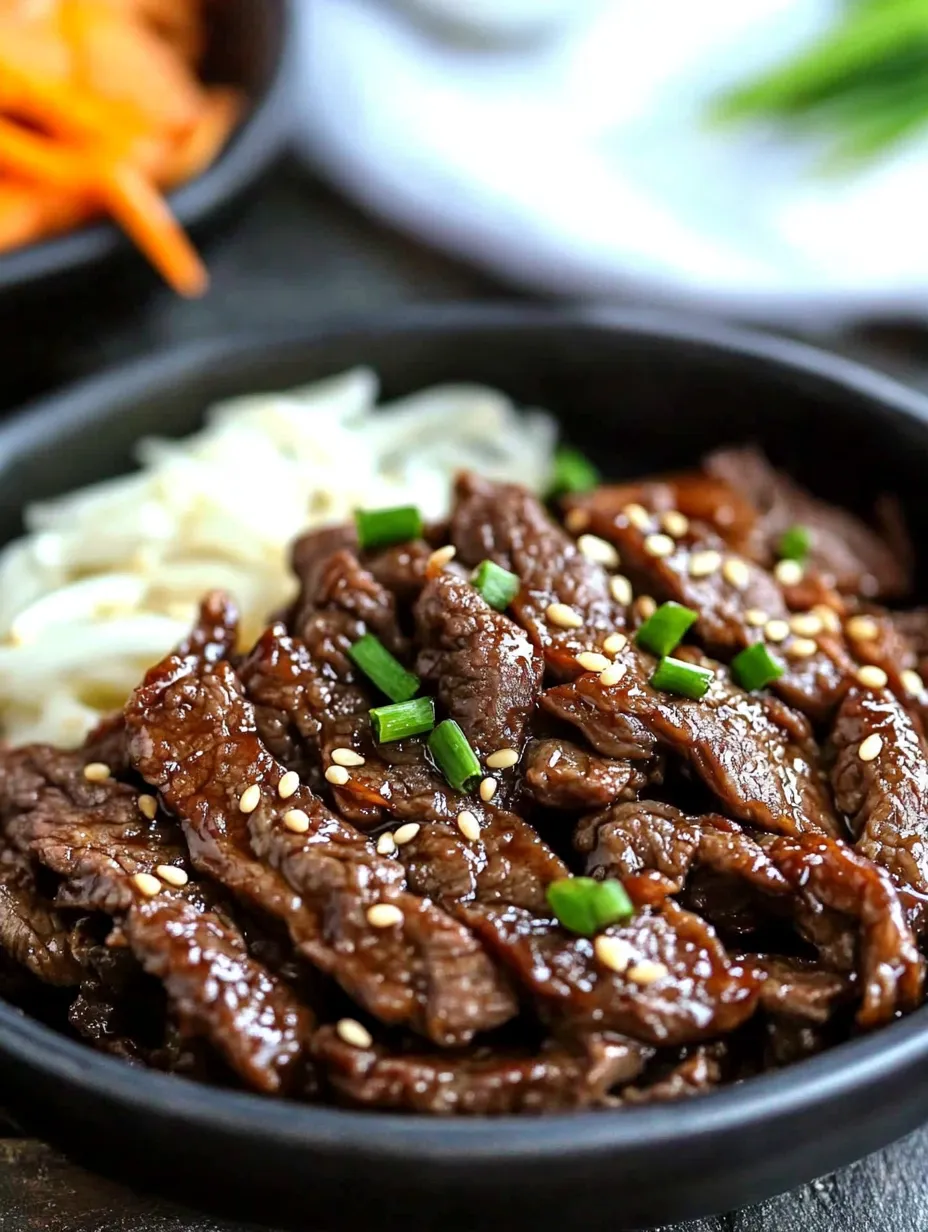
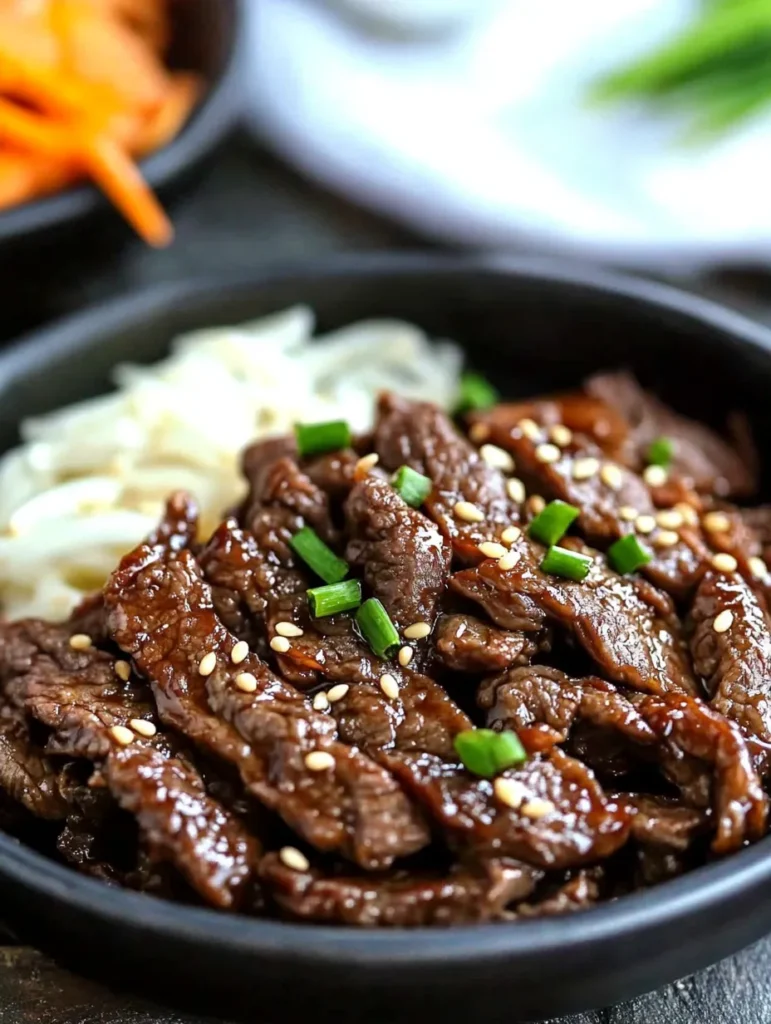
Authentic Korean Beef Bulgogi
Introduction
Have you ever wondered why Korean beef bulgogi is one of the most beloved dishes in Korean cuisine? This savory-sweet marinated beef dish not only tantalizes your taste buds but also offers a glimpse into the rich culinary traditions of Korea. With its origins dating back to the Goguryeo era, bulgogi has evolved into a global favorite, and for good reason. In this post, we will explore an authentic recipe for Korean beef bulgogi that will have you cooking like a pro in your own kitchen.
Let’s dive into the world of flavors, textures, and aromas that make this dish a must-try. Whether you’re a seasoned chef or a cooking novice, this guide will provide you with everything you need to create a mouthwatering bulgogi that impresses family and friends alike.
Ingredients List
To make the perfect Korean beef bulgogi, you’ll need the following ingredients:
- Beef: 1 pound of ribeye or sirloin, thinly sliced against the grain for tenderness.
- Soy Sauce: 1/4 cup, preferably low-sodium to control sodium levels.
- Sugar: 2 tablespoons, brown sugar works best for a deeper flavor.
- Sesame Oil: 2 tablespoons, for that nutty aroma.
- Garlic: 4 cloves, minced, to enhance the dish’s savory notes.
- Ginger: 1 tablespoon, minced, for a hint of warmth.
- Green Onions: 3, chopped, to add freshness.
- Black Pepper: 1 teaspoon, freshly ground for a little kick.
- Carrot: 1 medium, julienned, for color and crunch.
- Mushrooms: 1 cup, shiitake or button, sliced for added umami.
- Sesame Seeds: 1 tablespoon, toasted, for garnish.
Substitution Suggestions:
- Beef Alternatives: Chicken or tofu can be used for a lighter version.
- Sweetener Options: Honey or agave syrup can replace sugar for a natural sweetener.
- Vegetable Additions: Bell peppers or zucchini can be added for extra nutrition and flavor.
Timing
Preparing Korean beef bulgogi is quick and efficient, making it a perfect weeknight meal. Here’s a breakdown of the timing involved:
- Preparation Time: 20 minutes (including marinating time)
- Cooking Time: 10 minutes
- Total Time: 30 minutes
This total time is approximately 30% less than many traditional Korean recipes, allowing you to enjoy authentic flavors without spending hours in the kitchen.
Step-by-Step Instructions
Step 1: Marinate the Beef
In a large bowl, combine soy sauce, sugar, sesame oil, minced garlic, minced ginger, and black pepper. Mix well until the sugar dissolves.
Marinade=Soy Sauce+Sugar+Sesame Oil+Garlic+Ginger+Black Pepper
Add the sliced beef and green onions to the marinade, ensuring each piece is well-coated. Cover and refrigerate for at least 15 minutes, or up to 2 hours for deeper flavor.
Step 2: Prepare the Vegetables
While the beef marinates, prepare your vegetables. Julienne the carrot and slice the mushrooms. This step adds vibrant colors and textures to your dish.
Step 3: Cook the Beef
Heat a large skillet or grill pan over medium-high heat. Once hot, add the marinated beef in a single layer, allowing it to sear for about 2-3 minutes without stirring.
Cooking Temperature=Medium-High
After searing, stir the beef and add the prepared carrots and mushrooms. Cook for an additional 5 minutes, or until the beef is cooked through and the vegetables are tender.
Step 4: Garnish and Serve
Once cooked, remove from heat and transfer to a serving platter. Sprinkle with toasted sesame seeds for an added crunch and serve hot.
Nutritional Information
Here’s a comprehensive look at the nutritional content per serving of Korean beef bulgogi:
- Calories: 350
- Protein: 30g
- Fat: 20g
- Carbohydrates: 15g
- Fiber: 2g
- Sodium: 600mg
Nutritional Insights:
- High Protein: Ideal for muscle repair and growth.
- Moderate Calories: A satisfying meal that won’t derail your diet.
Healthier Alternatives for the Recipe
If you’re looking to make Korean beef bulgogi healthier, consider these modifications:
- Lean Cuts: Use flank steak or tenderloin instead of ribeye to reduce fat content.
- Low-Sodium Soy Sauce: Opt for low-sodium soy sauce to cut down on sodium intake.
- Add More Vegetables: Increase the vegetable content by adding spinach or broccoli, boosting fiber and nutrients without adding many calories.
Serving Suggestions
Korean beef bulgogi is incredibly versatile. Here are some creative serving suggestions:
- Over Rice: Serve over steamed jasmine rice or cauliflower rice for a low-carb option.
- In Lettuce Wraps: Use large lettuce leaves to create fresh wraps filled with bulgogi and your favorite toppings.
- With Side Dishes: Pair with traditional Korean side dishes like kimchi, pickled radish, or a simple cucumber salad for a balanced meal.
Common Mistakes to Avoid
When making Korean beef bulgogi, here are some pitfalls to watch out for:
- Using Thick Cuts of Beef: Always slice against the grain and keep the pieces thin to ensure tenderness.
- Skipping the Marinade: Don’t rush this step; marinating enhances flavor and tenderness.
- Overcrowding the Pan: Cook in batches if necessary to achieve a good sear on the beef.
Storing Tips for the Recipe
To keep your bulgogi fresh and delicious, follow these storage tips:
- Refrigeration: Store leftovers in an airtight container in the refrigerator for up to 3 days.
- Freezing: For longer storage, freeze the cooked bulgogi in a freezer-safe container for up to 2 months. Thaw in the refrigerator before reheating.
- Reheating: Gently reheat in a skillet over low heat to maintain moisture and flavor.
Conclusion
In summary, authentic Korean beef bulgogi is a delightful dish that combines savory and sweet flavors, making it a favorite among many. With its quick preparation time and adaptability, it’s perfect for any occasion. Don’t hesitate to try this recipe, and share your feedback in the comments below! Subscribe to our blog for more delicious recipes and cooking tips.
FAQs
What cut of beef is best for bulgogi?
Ribeye and sirloin are the most popular choices due to their tenderness and flavor. Flank steak is also a great option for a leaner choice.
Can I make bulgogi ahead of time?
Yes! You can marinate the beef a day in advance and store it in the refrigerator. Just cook it fresh when you’re ready to serve.
Is bulgogi gluten-free?
Traditional bulgogi contains soy sauce, which usually has gluten. However, you can substitute with gluten-free soy sauce or tamari for a gluten-free version.
How spicy is bulgogi?
Bulgogi is generally not spicy, but you can add gochujang (Korean chili paste) to the marinade if you prefer a bit of heat.
What should I serve with bulgogi?
Bulgogi pairs well with steamed rice, lettuce wraps, and a variety of Korean side dishes like kimchi and pickled vegetables.
Authentic Korean Beef Bulgogi
Ingredients
- Beef: 1 pound of ribeye or sirloin, thinly sliced against the grain for tenderness.
- Soy Sauce: 1/4 cup, preferably low-sodium to control sodium levels.
- Sugar: 2 tablespoons, brown sugar works best for a deeper flavor.
- Sesame Oil: 2 tablespoons, for that nutty aroma.
- Garlic: 4 cloves, minced, to enhance the dish’s savory notes.
- Ginger: 1 tablespoon, minced, for a hint of warmth.
- Green Onions: 3, chopped, to add freshness.
- Black Pepper: 1 teaspoon, freshly ground for a little kick.
- Carrot: 1 medium, julienned, for color and crunch.
- Mushrooms: 1 cup, shiitake or button, sliced for added umami.
- Sesame Seeds: 1 tablespoon, toasted, for garnish.
Instructions
Step 1: Marinate the Beef
In a large bowl, combine soy sauce, sugar, sesame oil, minced garlic, minced ginger, and black pepper. Mix well until the sugar dissolves.
Marinade=Soy Sauce+Sugar+Sesame Oil+Garlic+Ginger+Black PepperMarinade=Soy Sauce+Sugar+Sesame Oil+Garlic+Ginger+Black Pepper
Add the sliced beef and green onions to the marinade, ensuring each piece is well-coated. Cover and refrigerate for at least 15 minutes, or up to 2 hours for deeper flavor.
Step 2: Prepare the Vegetables
While the beef marinates, prepare your vegetables. Julienne the carrot and slice the mushrooms. This step adds vibrant colors and textures to your dish.
Step 3: Cook the Beef
Heat a large skillet or grill pan over medium-high heat. Once hot, add the marinated beef in a single layer, allowing it to sear for about 2-3 minutes without stirring.
Cooking Temperature=Medium-HighCooking Temperature=Medium-High
After searing, stir the beef and add the prepared carrots and mushrooms. Cook for an additional 5 minutes, or until the beef is cooked through and the vegetables are tender.
Step 4: Garnish and Serve
Once cooked, remove from heat and transfer to a serving platter. Sprinkle with toasted sesame seeds for an added crunch and serve hot.