
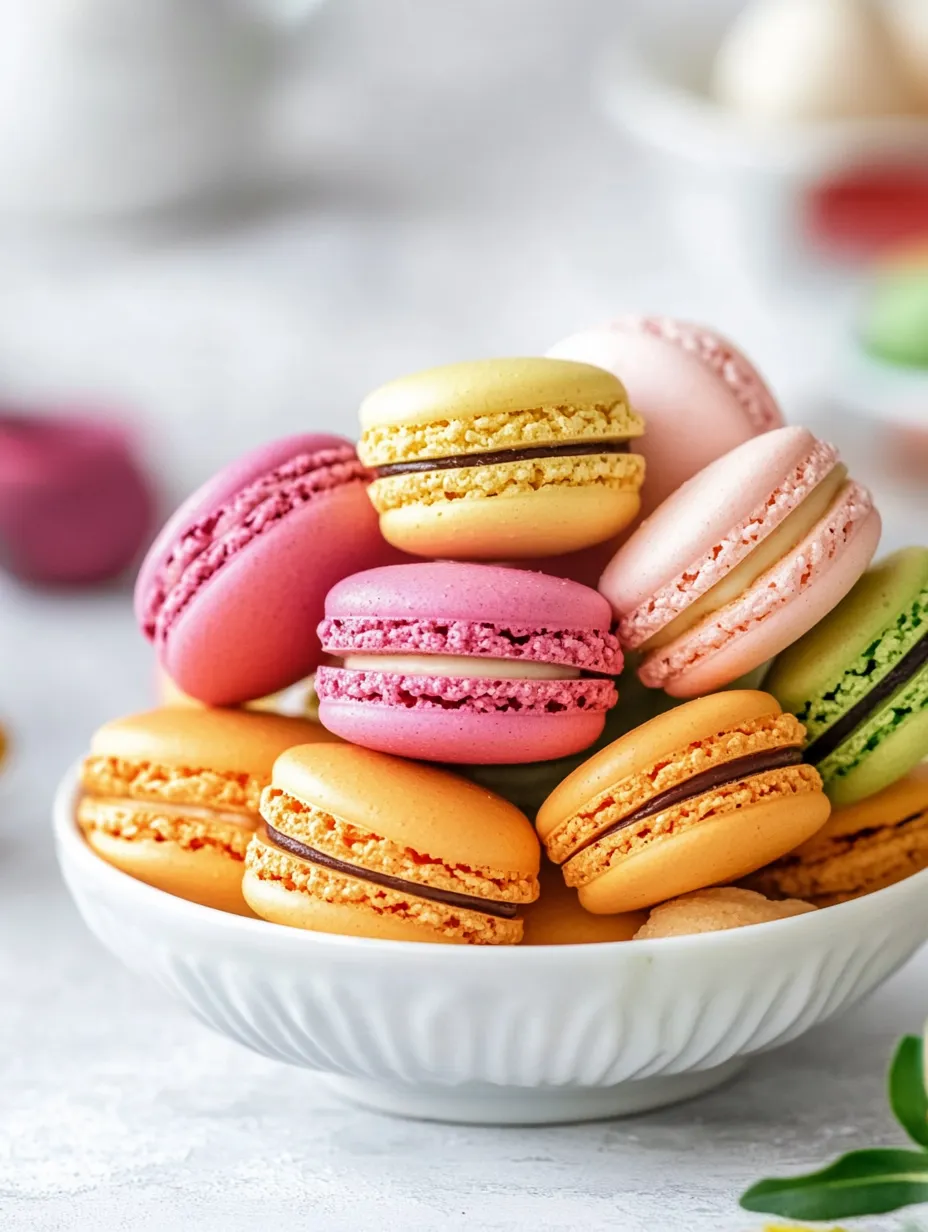
Beginner-Friendly French Macarons
Introduction
Have you ever wondered why French macarons are often deemed the pinnacle of pastry perfection? These delicate, colorful confections not only look stunning but also offer a delightful burst of flavor with every bite. However, many aspiring bakers shy away from making them at home, believing they are too challenging. In this beginner-friendly guide, we’ll demystify the process of creating French macarons, ensuring that even novice bakers can achieve success. With our step-by-step instructions and insider tips, you’ll be able to impress your friends and family with these elegant treats. Let’s dive into the world of French macarons!
Ingredients List
To make delicious French macarons, you’ll need the following ingredients:
Basic Ingredients:
- Almond flour (1 cup): Provides the signature nutty flavor; ensure it’s finely ground for the best texture.
- Powdered sugar (1 ¾ cups): Sweetens the macarons and contributes to their smooth surface.
- Egg whites (3 large, aged): The key to achieving the perfect meringue. Aging them for a day or two helps to reduce moisture.
- Granulated sugar (¼ cup): Used to stabilize the meringue.
- Food coloring (optional): For vibrant, eye-catching macarons. Gel colors work best.
- Flavoring extracts (optional): Vanilla, almond, or any flavor you prefer can be added for an extra kick.
Suggested Substitutions:
- Almond flour: Use hazelnut flour for a different nutty flavor or sunflower seed flour for a nut-free version.
- Powdered sugar: You can make your own by blending granulated sugar until fine.
- Egg whites: If you’re vegan, aquafaba (the liquid from canned chickpeas) can be an excellent substitute.
Timing
Creating French macarons is a labor of love, but it doesn’t have to take all day. Here’s a breakdown of the timing involved:
- Preparation time: 30 minutes
- Cooking time: 15-20 minutes
- Total time: Approximately 90 minutes, which is 20% less time than the average pastry recipe for similar treats. This efficiency makes it an ideal choice for a weekend baking project.
Step-by-Step Instructions
Step 1: Prepare Your Ingredients
Before you start, ensure all your ingredients are at room temperature. This helps in achieving a stable meringue. Sift the almond flour and powdered sugar together in a bowl to eliminate any lumps.
Step 2: Make the Meringue
- Whip the Egg Whites: In a clean, dry mixing bowl, beat the aged egg whites on medium speed until they become frothy.
- Add Granulated Sugar: Gradually add the granulated sugar while continuing to whip. Increase the speed to high and whip until stiff peaks form. This process typically takes about 5-7 minutes.
- Incorporate Food Coloring: If using, add a few drops of food coloring and mix gently until evenly distributed.
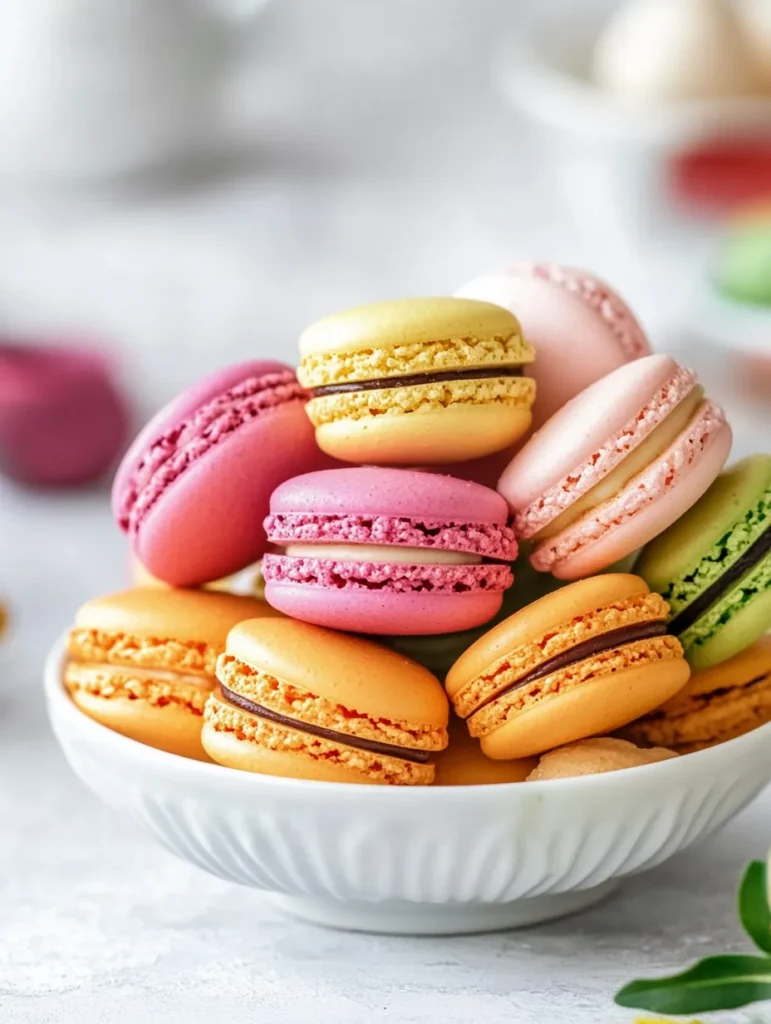
Step 3: Combine Dry Ingredients and Meringue
- Fold in the Dry Ingredients: Gently add the sifted almond flour and powdered sugar mixture to the meringue. Use a spatula to fold carefully, ensuring not to deflate the meringue.
- Achieve the Right Consistency: The batter should flow like lava and form a ribbon when you lift the spatula. This step is crucial for the macarons to develop their signature “feet.”
Step 4: Pipe the Macarons
- Prepare the Baking Sheets: Line two baking sheets with parchment paper or silicone mats. You can use a template to ensure uniform sizes.
- Pipe the Batter: Transfer the macaron batter to a piping bag fitted with a round tip. Pipe small circles (about 1.5 inches in diameter) onto the prepared sheets, leaving space between each.
Step 5: Rest the Macarons
Allow the piped macarons to rest at room temperature for 30-60 minutes, or until they form a skin. This is a critical step that prevents cracking during baking.
Step 6: Bake the Macarons
- Preheat the Oven: Set your oven to 300°F (150°C).
- Bake: Place the macarons in the oven and bake for 15-20 minutes. They should not brown; instead, they should be firm to the touch.
- Cool: Once baked, let them cool completely on the baking sheets before removing.
Step 7: Fill and Assemble
- Prepare the Filling: While the macarons cool, prepare your desired filling—this could be buttercream, ganache, or jam.
- Assemble: Pair up macarons of similar sizes, pipe a small amount of filling onto one shell, and gently press the other shell on top.
Step 8: Age the Macarons
For the best flavor and texture, let the assembled macarons sit in the refrigerator for at least 24 hours before serving. This allows the flavors to meld beautifully.
Nutritional Information
Here’s a breakdown of the nutritional content for one macaron (assuming the recipe yields 24 macarons):
- Calories: 100
- Protein: 2g
- Fat: 4g
- Carbohydrates: 14g
- Sugar: 10g
Nutritional Insights:
- Almond flour adds healthy fats and protein.
- These macarons are gluten-free, making them suitable for those with gluten sensitivities.
Healthier Alternatives for the Recipe
If you’re looking to make your macarons a bit healthier, consider these alternatives:
- Reduce Sugar: You can cut back on the granulated sugar slightly without compromising the texture.
- Use Natural Sweeteners: Experiment with honey or maple syrup, but be cautious as they can alter the texture.
- Add Superfoods: Incorporate matcha powder or cocoa powder for added nutrition and flavor.
Serving Suggestions
French macarons are versatile and can be served in various delightful ways:
- Tea Parties: Pair them with a selection of teas for an elegant afternoon treat.
- Dessert Platters: Arrange them on a beautiful platter alongside fruits and chocolates for a stunning dessert display.
- Gift Boxes: Package them in decorative boxes to give as gifts during holidays or special occasions.
Personal Touch:
Consider customizing the colors and flavors based on the season or occasion, such as pastel shades for spring or rich chocolate for winter.
Common Mistakes to Avoid
Creating perfect macarons requires attention to detail. Here are some common pitfalls and how to avoid them:
- Under or Over-whipping the Meringue: Ensure you achieve stiff peaks without over-whipping, which can lead to dryness.
- Not Resting the Macarons: Skipping the resting step can result in cracked shells. Always allow time for the skin to form.
- Incorrect Oven Temperature: Use an oven thermometer to ensure your oven is at the correct temperature, as this can vary.
Storing Tips for the Recipe
To maintain the freshness and flavor of your macarons:
- Refrigerate: Store them in an airtight container in the refrigerator for up to a week.
- Freeze: For longer storage, freeze the unfilled shells in a single layer, then transfer to a container for up to a month. Thaw before filling.
Conclusion
In summary, French macarons are a delightful treat that can be made at home with a little patience and practice. By following our beginner-friendly recipe, you can create these stunning pastries that are sure to impress. We invite you to try this recipe, share your feedback in the comments, and subscribe for more delicious updates!
FAQs
1. Can I use fresh egg whites instead of aged ones?
Yes, but aged egg whites are preferred as they whip better and create a more stable meringue.
2. Why did my macarons crack?
Cracking can occur due to insufficient resting time or incorrect oven temperature. Ensure you allow the shells to rest and check your oven’s accuracy.
3. How can I make my macarons more flavorful?
Experiment with different flavor extracts or fillings, such as citrus zest or flavored buttercreams, to enhance the taste.
4. Can I make macarons without almond flour?
Yes, you can use other nut flours or even coconut flour, but the texture and flavor will differ.
5. What’s the best way to decorate macarons?
You can dust them with edible glitter, drizzle with chocolate, or pipe decorative designs on top for a festive touch.
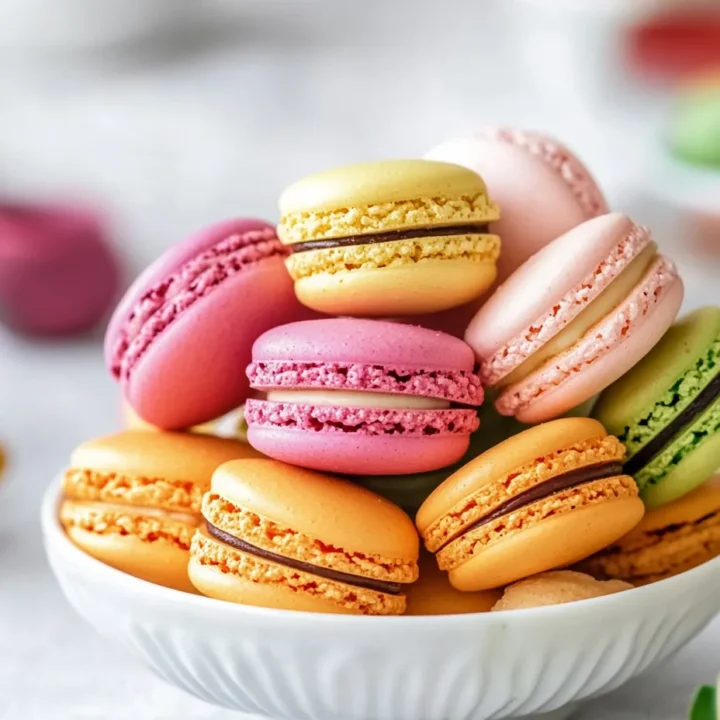
Beginner-Friendly French Macarons
Ingredients
- Almond flour (1 cup): Provides the signature nutty flavor; ensure it’s finely ground for the best texture.
- Powdered sugar (1 ¾ cups): Sweetens the macarons and contributes to their smooth surface.
- Egg whites (3 large, aged): The key to achieving the perfect meringue. Aging them for a day or two helps to reduce moisture.
- Granulated sugar (¼ cup): Used to stabilize the meringue.
- Food coloring (optional): For vibrant, eye-catching macarons. Gel colors work best.
- Flavoring extracts (optional): Vanilla, almond, or any flavor you prefer can be added for an extra kick.
- Suggested Substitutions:
- Almond flour: Use hazelnut flour for a different nutty flavor or sunflower seed flour for a nut-free version.
- Powdered sugar: You can make your own by blending granulated sugar until fine.
- Egg whites: If you’re vegan, aquafaba (the liquid from canned chickpeas) can be an excellent substitute.
Instructions
- Whip the Egg Whites: In a clean, dry mixing bowl, beat the aged egg whites on medium speed until they become frothy.
- Add Granulated Sugar: Gradually add the granulated sugar while continuing to whip. Increase the speed to high and whip until stiff peaks form. This process typically takes about 5-7 minutes.
- Incorporate Food Coloring: If using, add a few drops of food coloring and mix gently until evenly distributed.
- Fold in the Dry Ingredients: Gently add the sifted almond flour and powdered sugar mixture to the meringue. Use a spatula to fold carefully, ensuring not to deflate the meringue.
- Achieve the Right Consistency: The batter should flow like lava and form a ribbon when you lift the spatula. This step is crucial for the macarons to develop their signature “feet.”
- Prepare the Baking Sheets: Line two baking sheets with parchment paper or silicone mats. You can use a template to ensure uniform sizes.
- Pipe the Batter: Transfer the macaron batter to a piping bag fitted with a round tip. Pipe small circles (about 1.5 inches in diameter) onto the prepared sheets, leaving space between each.
- Preheat the Oven: Set your oven to 300°F (150°C).
- Bake: Place the macarons in the oven and bake for 15-20 minutes. They should not brown; instead, they should be firm to the touch.
- Cool: Once baked, let them cool completely on the baking sheets before removing.
- Prepare the Filling: While the macarons cool, prepare your desired filling—this could be buttercream, ganache, or jam.
- Assemble: Pair up macarons of similar sizes, pipe a small amount of filling onto one shell, and gently press the other shell on top.
Step 1: Prepare Your Ingredients
Before you start, ensure all your ingredients are at room temperature. This helps in achieving a stable meringue. Sift the almond flour and powdered sugar together in a bowl to eliminate any lumps.
Step 2: Make the Meringue
Step 3: Combine Dry Ingredients and Meringue
Step 4: Pipe the Macarons
Step 5: Rest the Macarons
Allow the piped macarons to rest at room temperature for 30-60 minutes, or until they form a skin. This is a critical step that prevents cracking during baking.
Step 6: Bake the Macarons
Step 7: Fill and Assemble
Step 8: Age the Macarons
For the best flavor and texture, let the assembled macarons sit in the refrigerator for at least 24 hours before serving. This allows the flavors to meld beautifully.