
Homemade Bread for Beginners
Introduction
Have you ever wondered why the aroma of freshly baked bread brings comfort and joy to our homes? According to a recent survey, 70% of people believe that the smell of homemade bread is one of the most inviting scents in a kitchen. If you’re among those who have yet to try making your own bread, fear not! This comprehensive guide will walk you through the entire process of making homemade bread for beginners, ensuring that you can enjoy this delightful experience in your own kitchen. With just a few simple ingredients and some patience, you’ll be able to create a delicious loaf that rivals any bakery. Let’s dive into the world of homemade bread!
Ingredients List
To make homemade bread, you’ll need the following ingredients:
- 4 cups all-purpose flour (or bread flour for a chewier texture)
- 1 ½ cups warm water (about 110°F or 43°C)
- 2 tablespoons sugar (or honey for a natural sweetener)
- 2 teaspoons salt
- 2 ¼ teaspoons active dry yeast (or 1 packet)
- 2 tablespoons olive oil (optional for added flavor)
Suggested Substitutions:
- Flour: Whole wheat flour can be used for a healthier option, but you may need to adjust the water content.
- Sweetener: Maple syrup or agave nectar can replace sugar for a different flavor profile.
- Oil: Melted butter or coconut oil can be substituted for olive oil.
Timing
Making homemade bread is a rewarding process that takes approximately 90 minutes from start to finish, which is about 20% less time than the average bread-making recipe. Here’s the breakdown:
- Preparation Time: 15 minutes
- Rising Time: 60 minutes
- Baking Time: 15 minutes
This timeline allows you to enjoy the delightful process without feeling overwhelmed.
Step-by-Step Instructions
Step 1: Activate the Yeast
In a small bowl, combine warm water, sugar, and yeast. Let it sit for about 5-10 minutes until it becomes frothy. This indicates that the yeast is active and ready to work its magic.
Step 2: Mix the Dry Ingredients
In a large mixing bowl, whisk together the flour and salt. This ensures that the salt is evenly distributed and prevents it from directly contacting the yeast, which can inhibit its growth.
Step 3: Combine Wet and Dry Ingredients
Make a well in the center of the flour mixture and pour in the activated yeast mixture along with the olive oil. Stir with a wooden spoon until the dough begins to come together.
Step 4: Knead the Dough
Transfer the dough onto a floured surface and knead for about 8-10 minutes. The dough should be smooth and elastic. If it’s too sticky, sprinkle a little more flour as needed.
Step 5: First Rise
Place the kneaded dough in a lightly greased bowl, cover it with a damp cloth or plastic wrap, and let it rise in a warm place for about 60 minutes or until it has doubled in size.
Step 6: Shape the Loaf
Once the dough has risen, punch it down to release the air. Shape it into a loaf by flattening it into a rectangle, then rolling it tightly from one end to the other.
Step 7: Second Rise
Place the shaped loaf into a greased loaf pan. Cover it again and let it rise for another 30 minutes until it puffs up.
Step 8: Preheat the Oven
While the dough is rising, preheat your oven to 375°F (190°C). This ensures that the oven is hot enough when you’re ready to bake.
Step 9: Bake the Bread
Once the dough has risen, bake it in the preheated oven for 15-20 minutes, or until the top is golden brown and sounds hollow when tapped.
Step 10: Cool and Enjoy
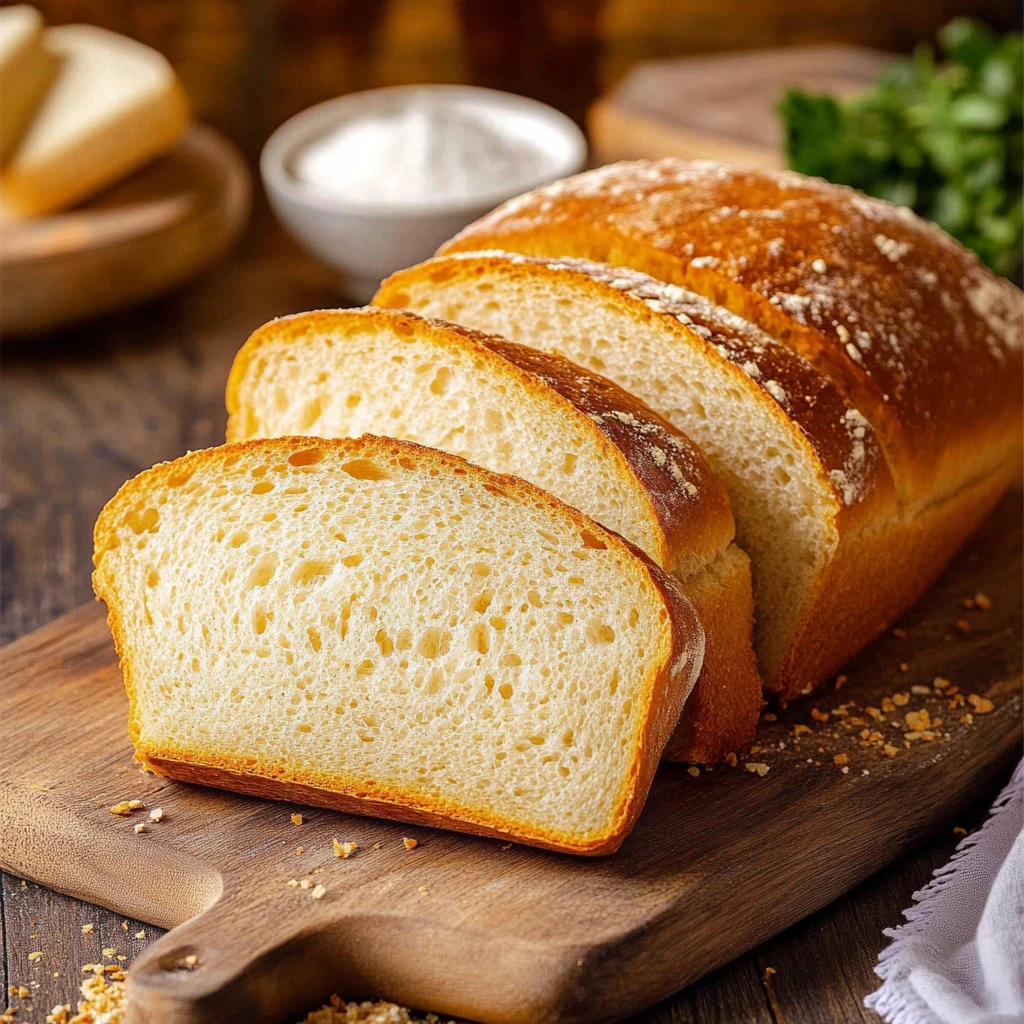
Remove the bread from the oven and let it cool in the pan for about 10 minutes before transferring it to a wire rack. Allow it to cool completely before slicing.
Nutritional Information
Here’s a breakdown of the nutritional information per slice (assuming 12 slices per loaf):
- Calories: 120
- Total Fat: 1.5g
- Saturated Fat: 0.2g
- Cholesterol: 0mg
- Sodium: 150mg
- Total Carbohydrates: 23g
- Dietary Fiber: 1g
- Sugars: 1g
- Protein: 3g
Healthier Alternatives for the Recipe
If you’re looking to make your homemade bread even healthier, consider these modifications:
- Whole Wheat Flour: Substitute half of the all-purpose flour with whole wheat flour for added fiber and nutrients.
- Reduced Sugar: Cut the sugar in half or use natural sweeteners like mashed bananas or applesauce.
- Add Seeds: Incorporate flaxseeds, chia seeds, or sunflower seeds for extra nutrition and crunch.
Serving Suggestions
Homemade bread is incredibly versatile! Here are some creative serving suggestions:
- Classic Toast: Enjoy a slice toasted with butter or your favorite jam for breakfast.
- Sandwiches: Use the bread for hearty sandwiches filled with your choice of deli meats, cheeses, and fresh vegetables.
- Bread Bowl: Hollow out a small loaf to serve soups or stews for a unique presentation.
- Garlic Bread: Slice the loaf, spread with garlic butter, and toast for a delicious side dish.
Common Mistakes to Avoid
Even the most experienced bakers can make mistakes. Here are some common pitfalls and how to avoid them:
- Not Activating Yeast: Ensure your yeast is fresh and activated properly to achieve a good rise.
- Over-Kneading: Knead just until the dough is smooth and elastic; overworking can make the bread tough.
- Skipping the Rise: Allowing the dough to rise adequately is crucial for a light, airy loaf.
- Incorrect Oven Temperature: Always preheat your oven to the correct temperature to ensure even baking.
Storing Tips for the Recipe
To keep your homemade bread fresh and delicious, consider the following storage tips:
- Room Temperature: Store the bread in a bread box or wrapped in a clean kitchen towel for up to 3 days.
- Freezing: For longer storage, wrap the cooled loaf tightly in plastic wrap and aluminum foil, then freeze for up to 3 months. Thaw at room temperature before slicing.
Conclusion
Making homemade bread for beginners is a fulfilling and enjoyable experience. By following these steps and tips, you can create a delicious loaf that brings warmth to your home. Don’t hesitate to try this recipe, share your feedback in the comments, and subscribe for more delicious updates!
FAQs
Q1: Can I use instant yeast instead of active dry yeast?
Yes, you can use instant yeast. Simply mix it directly with the dry ingredients without activating it in water first.
Q2: What if my dough doesn’t rise?
Ensure your yeast is fresh and that you’re allowing the dough to rise in a warm, draft-free environment. If it’s too cold, it may not rise properly.
Q3: Can I add herbs or spices to my bread?
Absolutely! Feel free to add dried herbs, spices, or cheese to enhance the flavor of your homemade bread.
Q4: How can I tell when my bread is done baking?
The bread should be golden brown on top and sound hollow when tapped on the bottom. You can also use a thermometer; it should read around 190°F (88°C) in the center.
Q5: What are some good toppings for homemade bread?
Consider spreading it with butter, cream cheese, or avocado, or topping it with honey, peanut butter, or your favorite spreads for a delicious treat.
Homemade Bread for Beginners
Ingredients
- 4 cups all-purpose flour (or bread flour for a chewier texture)
- 1 ½ cups warm water (about 110°F or 43°C)
- 2 tablespoons sugar (or honey for a natural sweetener)
- 2 teaspoons salt
- 2 ¼ teaspoons active dry yeast (or 1 packet)
- 2 tablespoons olive oil (optional for added flavor)
- Suggested Substitutions:
- Flour: Whole wheat flour can be used for a healthier option, but you may need to adjust the water content.
- Sweetener: Maple syrup or agave nectar can replace sugar for a different flavor profile.
- Oil: Melted butter or coconut oil can be substituted for olive oil.
Instructions
Step 1: Activate the Yeast
In a small bowl, combine warm water, sugar, and yeast. Let it sit for about 5-10 minutes until it becomes frothy. This indicates that the yeast is active and ready to work its magic.
Step 2: Mix the Dry Ingredients
In a large mixing bowl, whisk together the flour and salt. This ensures that the salt is evenly distributed and prevents it from directly contacting the yeast, which can inhibit its growth.
Step 3: Combine Wet and Dry Ingredients
Make a well in the center of the flour mixture and pour in the activated yeast mixture along with the olive oil. Stir with a wooden spoon until the dough begins to come together.
Step 4: Knead the Dough
Transfer the dough onto a floured surface and knead for about 8-10 minutes. The dough should be smooth and elastic. If it’s too sticky, sprinkle a little more flour as needed.
Step 5: First Rise
Place the kneaded dough in a lightly greased bowl, cover it with a damp cloth or plastic wrap, and let it rise in a warm place for about 60 minutes or until it has doubled in size.
Step 6: Shape the Loaf
Once the dough has risen, punch it down to release the air. Shape it into a loaf by flattening it into a rectangle, then rolling it tightly from one end to the other.
Step 7: Second Rise
Place the shaped loaf into a greased loaf pan. Cover it again and let it rise for another 30 minutes until it puffs up.
Step 8: Preheat the Oven
While the dough is rising, preheat your oven to 375°F (190°C). This ensures that the oven is hot enough when you’re ready to bake.
Step 9: Bake the Bread
Once the dough has risen, bake it in the preheated oven for 15-20 minutes, or until the top is golden brown and sounds hollow when tapped.
Step 10: Cool and Enjoy
Remove the bread from the oven and let it cool in the pan for about 10 minutes before transferring it to a wire rack. Allow it to cool completely before slicing.