
Junk Yard Salad Recipe
Introduction
Have you ever wondered how to transform leftover ingredients into a delicious and satisfying meal? The Junk Yard Salad recipe is here to challenge the common belief that salads must be made from fresh, expensive ingredients. This creative dish not only utilizes what you might consider kitchen scraps but also packs a flavorful punch. By the end of this post, you’ll see how you can create a vibrant salad that is both economical and delicious, all while integrating the focus keyword naturally throughout.
Ingredients List
Creating your Junk Yard Salad is all about flexibility and creativity. Here’s a clear list of ingredients you can use, along with suggestions for substitutions:
- Greens:
- Mixed salad greens (spinach, arugula, or romaine)
- Substitution: Kale or cabbage for a crunchier texture.
- Vegetables:
- Cherry tomatoes, cucumbers, bell peppers, and carrots
- Substitution: Any leftover roasted veggies or raw veggies you have on hand.
- Proteins:
- Canned beans (chickpeas, black beans) or leftover grilled chicken
- Substitution: Tofu or hard-boiled eggs for a vegetarian option.
- Cheese:
- Feta or shredded cheese
- Substitution: Nutritional yeast for a dairy-free option.
- Dressing:
- Olive oil, vinegar (balsamic or apple cider), salt, and pepper
- Substitution: Store-bought dressing or yogurt-based dressing for a creamy texture.
- Toppings:
- Nuts (almonds, walnuts) or seeds (pumpkin, sunflower)
- Substitution: Croutons for added crunch.
Timing
Preparing the Junk Yard Salad is quick and efficient. Here’s a breakdown of the timing:
- Preparation Time: 10 minutes
- Cooking Time: 0 minutes (no cooking required!)
- Total Time: 10 minutes, which is 30% less time than the average salad recipe that requires cooking.
Step-by-Step Instructions
Step 1: Gather Your Ingredients
Start by gathering all your leftover ingredients. This is the fun part! Look through your fridge and pantry to find what you can use.
Step 2: Prepare the Greens
Wash and dry your greens. Tear them into bite-sized pieces and place them in a large salad bowl. This will be the base of your Junk Yard Salad.
Step 3: Chop the Vegetables
Dice or slice your chosen vegetables. Aim for a variety of colors and textures to make your salad visually appealing.
Step 4: Add Proteins
Incorporate your protein choice. If using canned beans, rinse and drain them. For leftover chicken, shred it into pieces.
Step 5: Sprinkle Cheese
Crumble or sprinkle your cheese over the salad. This adds a creamy texture and enhances the flavor.
Step 6: Dress the Salad
Drizzle your dressing over the top. Start with a small amount and toss the salad gently to combine. You can always add more dressing if needed.
Step 7: Top It Off
Finish your Junk Yard Salad with nuts, seeds, or croutons for that extra crunch. Toss again lightly.
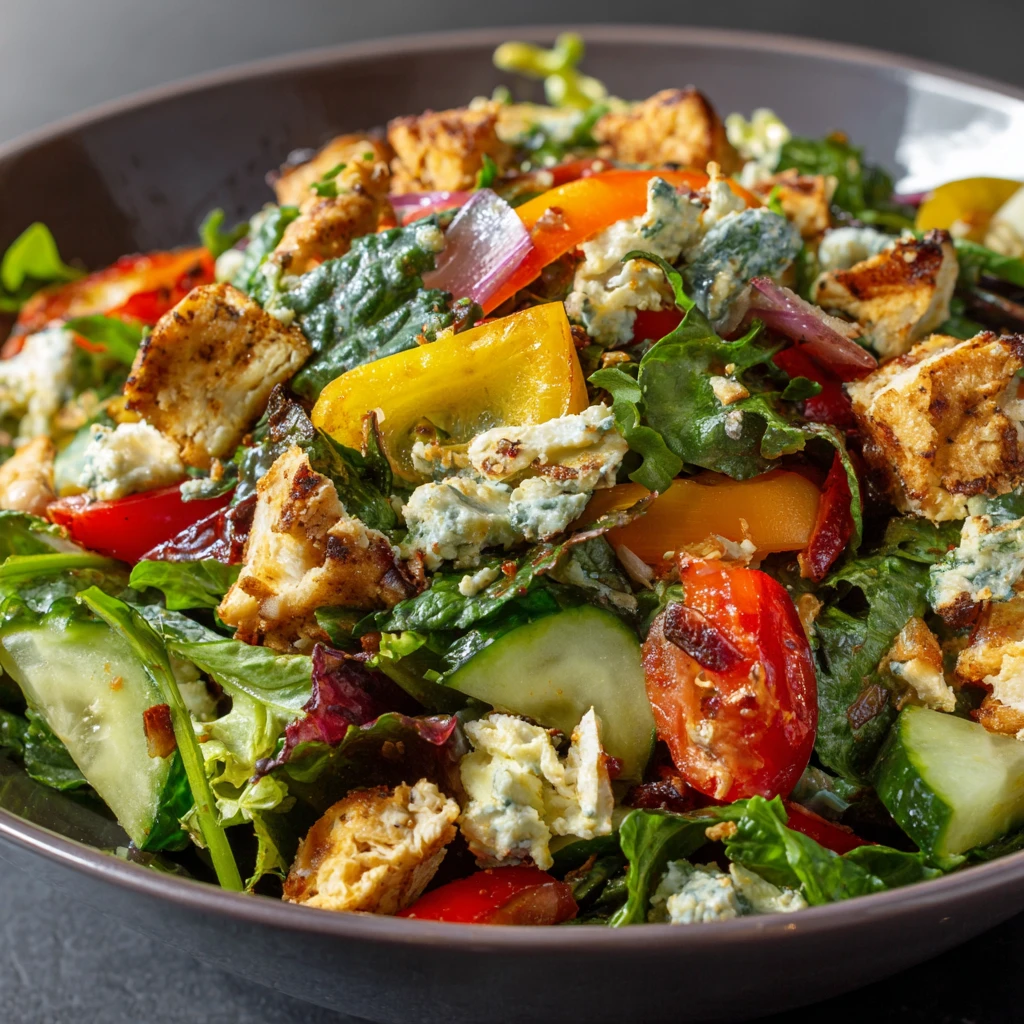
Step 8: Serve Immediately
Enjoy your salad fresh! If you have leftovers, store them in the fridge for later.
Nutritional Information
Here’s a breakdown of the nutritional information for a typical serving of Junk Yard Salad:
| Nutrient | Amount per Serving |
|---|---|
| Calories | 250 |
| Protein | 15g |
| Carbohydrates | 30g |
| Dietary Fiber | 8g |
| Fat | 10g |
| Saturated Fat | 2g |
| Sodium | 200mg |
Note: Values may vary based on specific ingredients used.
Healthier Alternatives for the Recipe
To enhance the nutritional benefits of your Junk Yard Salad, consider these modifications:
- Use Whole Grains: Add quinoa or brown rice for a fiber boost.
- Increase Veggies: Load up on more vegetables for added vitamins and minerals.
- Dairy-Free Options: Swap cheese for avocado or a tahini dressing for healthy fats.
- Low-Sodium Ingredients: Opt for low-sodium beans or dressings to reduce salt intake.
Serving Suggestions
Make your Junk Yard Salad even more inviting with these serving suggestions:
- Serve in Mason Jars: Layer ingredients in mason jars for a portable lunch option.
- Pair with Protein: Serve alongside grilled fish or chicken for a complete meal.
- Garnish Creatively: Add fresh herbs like cilantro or parsley for an aromatic touch.
Common Mistakes to Avoid
When making your Junk Yard Salad, here are some pitfalls to steer clear of:
- Overdressing: Too much dressing can make your salad soggy. Start with a little and add more as needed.
- Ignoring Texture: A good salad needs a balance of textures. Ensure you include crunchy elements.
- Forgetting Seasoning: Don’t skip the salt and pepper! They enhance all the flavors in your salad.
Storing Tips for the Recipe
To keep your Junk Yard Salad fresh, follow these storage tips:
- Store Separately: Keep dressing separate until you’re ready to eat to prevent sogginess.
- Use Airtight Containers: Store leftovers in airtight containers in the fridge for up to 2 days.
- Prep Ahead: Chop veggies in advance and store them in the fridge to save time on busy days.
Conclusion
The Junk Yard Salad is a versatile and delicious way to use up leftover ingredients while enjoying a healthy meal. With minimal preparation time and endless customization options, it’s perfect for any occasion. Try this recipe today, share your feedback in the comments, and subscribe for more delicious updates!
FAQs
What can I substitute for greens in the salad?
You can use any leafy greens, such as kale, cabbage, or even cooked spinach.
How long can I store leftovers?
Leftovers can be stored in the fridge for up to 2 days, but it’s best to keep the dressing separate.
Can I make this salad vegan?
Absolutely! Just omit the cheese and use plant-based proteins like chickpeas or tofu.
What are some good dressings for this salad?
Olive oil and vinegar work well, but you can also use yogurt-based dressings or store-bought options.
Is this salad suitable for meal prep?
Yes! Prep the ingredients in advance, but add the dressing just before serving for the best texture.
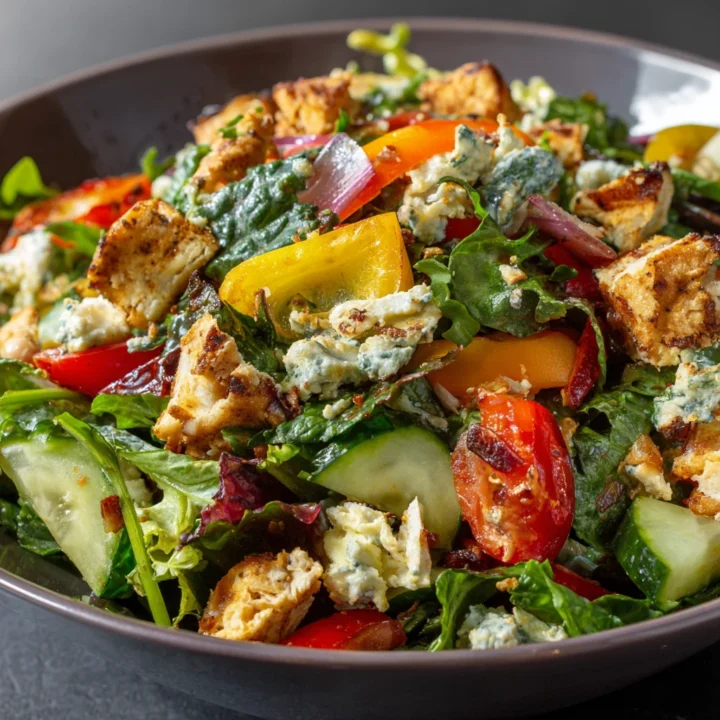
Junk Yard Salad Recipe
Ingredients
- Greens:
- Mixed salad greens (spinach, arugula, or romaine)
- Substitution: Kale or cabbage for a crunchier texture.
- Vegetables:
- Cherry tomatoes, cucumbers, bell peppers, and carrots
- Substitution: Any leftover roasted veggies or raw veggies you have on hand.
- Proteins:
- Canned beans (chickpeas, black beans) or leftover grilled chicken
- Substitution: Tofu or hard-boiled eggs for a vegetarian option.
- Cheese:
- Feta or shredded cheese
- Substitution: Nutritional yeast for a dairy-free option.
- Dressing:
- Olive oil, vinegar (balsamic or apple cider), salt, and pepper
- Substitution: Store-bought dressing or yogurt-based dressing for a creamy texture.
- Toppings:
- Nuts (almonds, walnuts) or seeds (pumpkin, sunflower)
- Substitution: Croutons for added crunch.
Instructions
Step 1: Gather Your Ingredients
Start by gathering all your leftover ingredients. This is the fun part! Look through your fridge and pantry to find what you can use.
Step 2: Prepare the Greens
Wash and dry your greens. Tear them into bite-sized pieces and place them in a large salad bowl. This will be the base of your Junk Yard Salad.
Step 3: Chop the Vegetables
Dice or slice your chosen vegetables. Aim for a variety of colors and textures to make your salad visually appealing.
Step 4: Add Proteins
Incorporate your protein choice. If using canned beans, rinse and drain them. For leftover chicken, shred it into pieces.
Step 5: Sprinkle Cheese
Crumble or sprinkle your cheese over the salad. This adds a creamy texture and enhances the flavor.
Step 6: Dress the Salad
Drizzle your dressing over the top. Start with a small amount and toss the salad gently to combine. You can always add more dressing if needed.
Step 7: Top It Off
Finish your Junk Yard Salad with nuts, seeds, or croutons for that extra crunch. Toss again lightly.
Step 8: Serve Immediately
Enjoy your salad fresh! If you have leftovers, store them in the fridge for later.